01
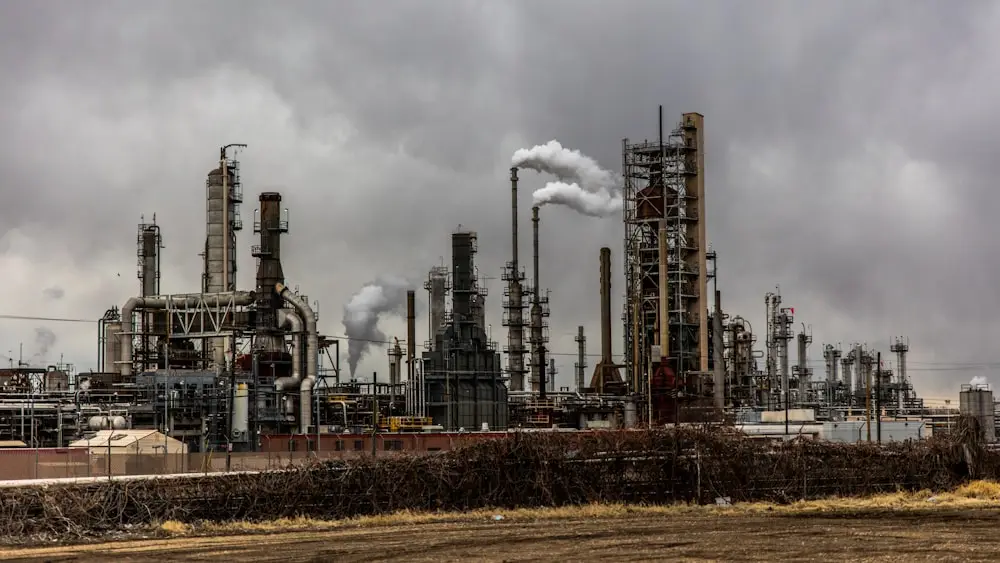
Oil & Gas
Upstream, midstream and refining operations where process safety is the first thing an interviewer tests and the last thing a graduate has been taught.
Industries we serve
Each sector screens for something a degree does not teach. We name it, then we close it — which is why the domain tracks are sector-specific rather than one shared curriculum.

Pick your ground
Every card carries that sector's own hiring bar. Open one and you get the roles it fills, the disciplines it draws from, and the track written against it.
01
Upstream, midstream and refining operations where process safety is the first thing an interviewer tests and the last thing a graduate has been taught.
Oil & Gas, 1 of 6
How the tracks are built
A sector track is not a general curriculum with the sector's name on the cover. Each one is built and re-reviewed against what that sector currently screens for.

01
Practising engineers in the sector list what a candidate must be able to do on day one, in their words rather than a syllabus's.
02
Each capability is turned into a measurable skill benchmark, which is what your baseline score is compared against.
03
Content is commissioned for the distance between a typical graduate and that benchmark — not for the whole subject.
04
Tracks are re-reviewed by the owning SME on a fixed cycle. A track nobody has revisited in two years is a track we retire.
The rooms behind the words
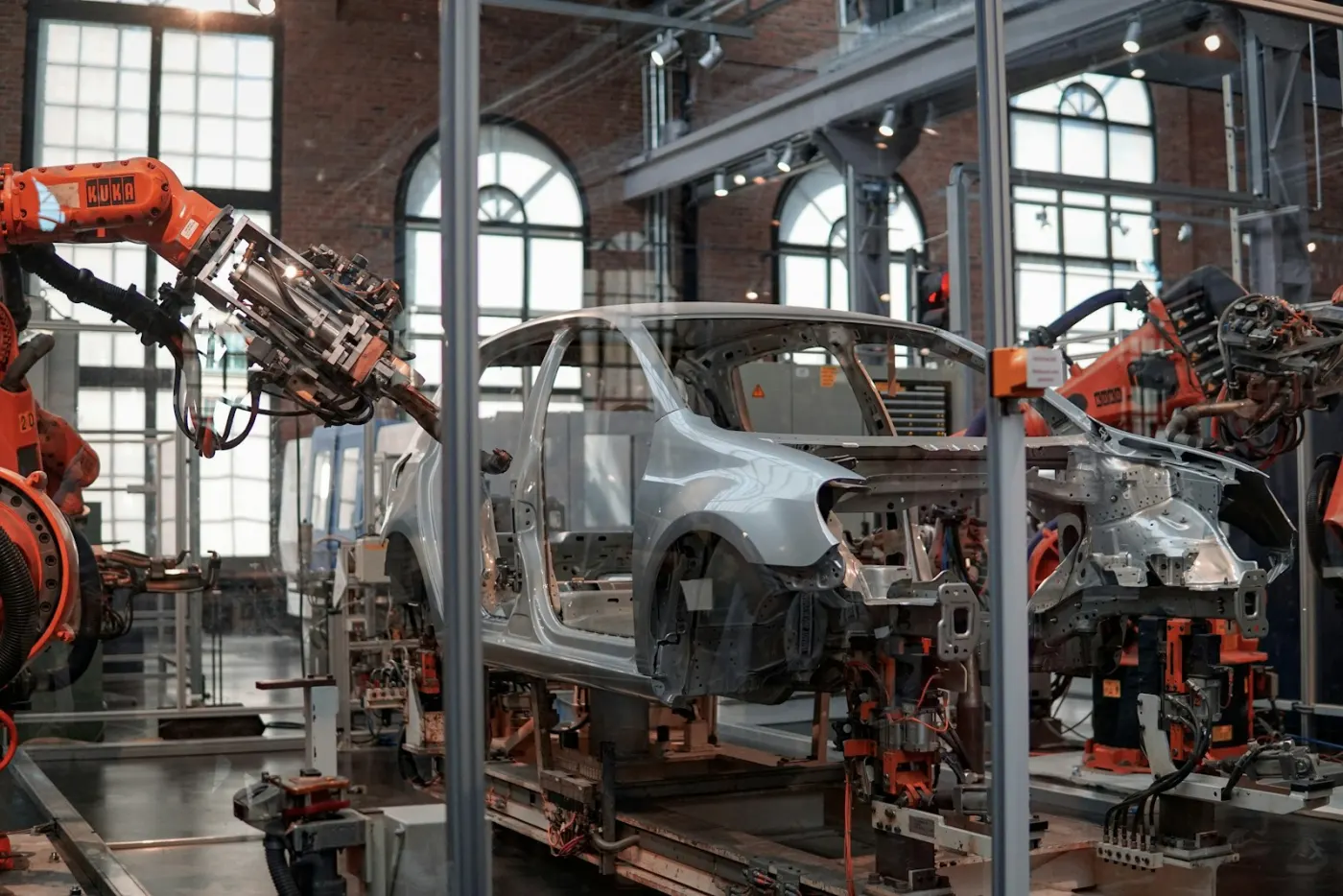
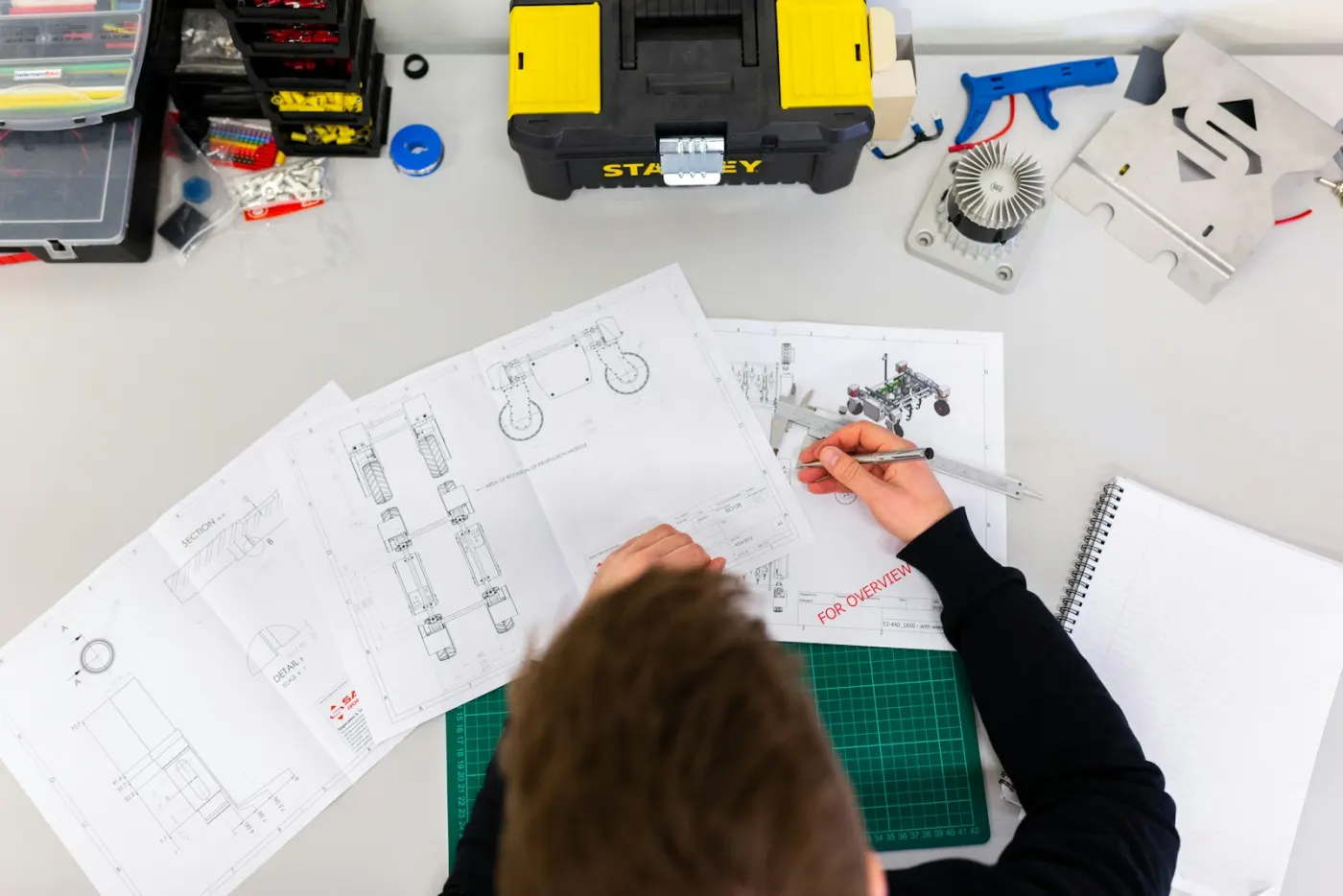
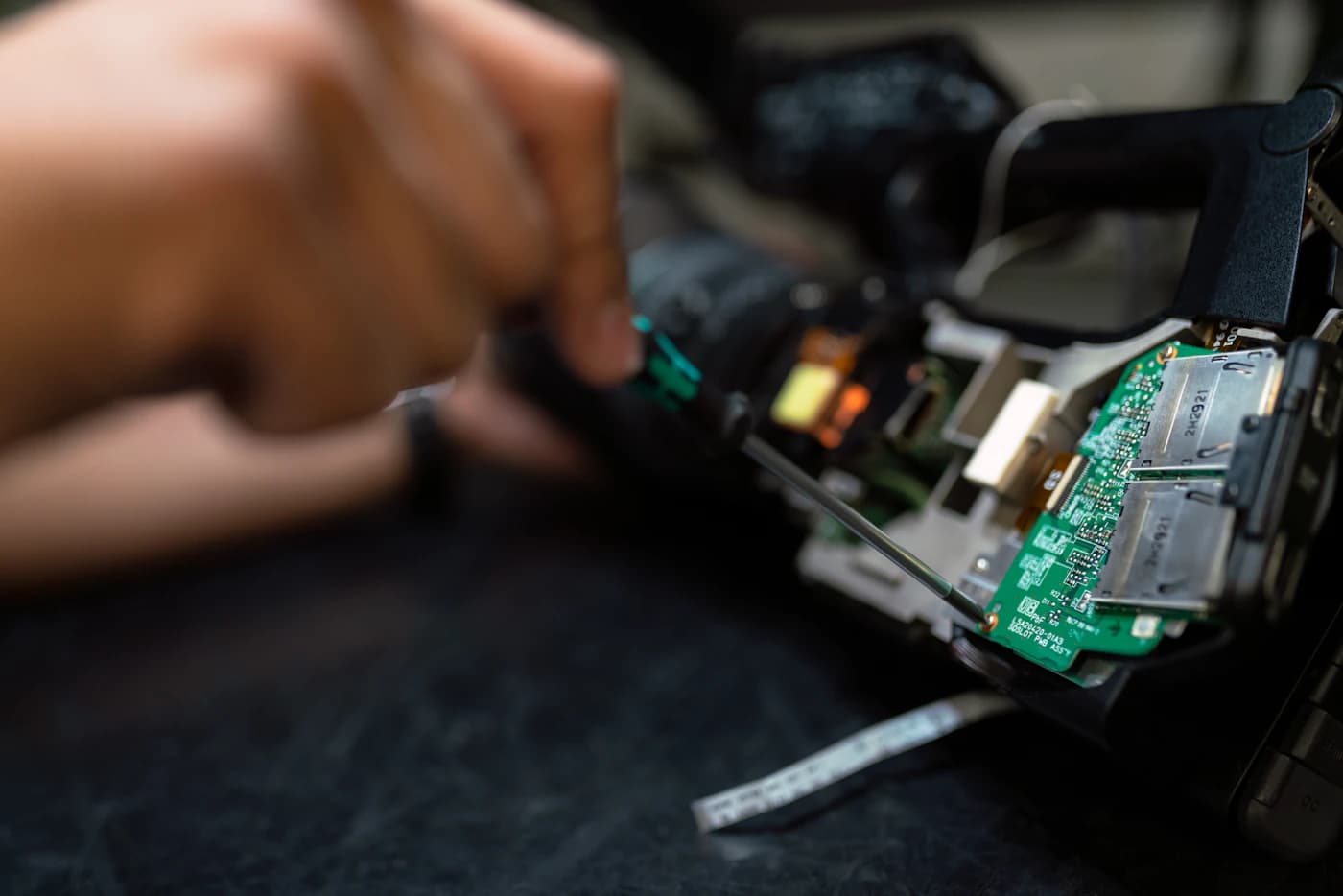
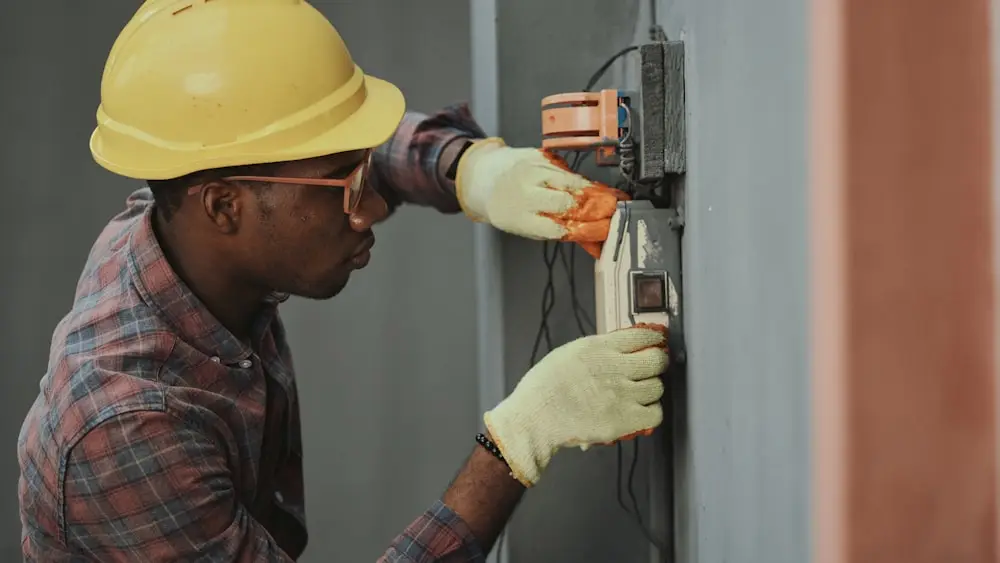
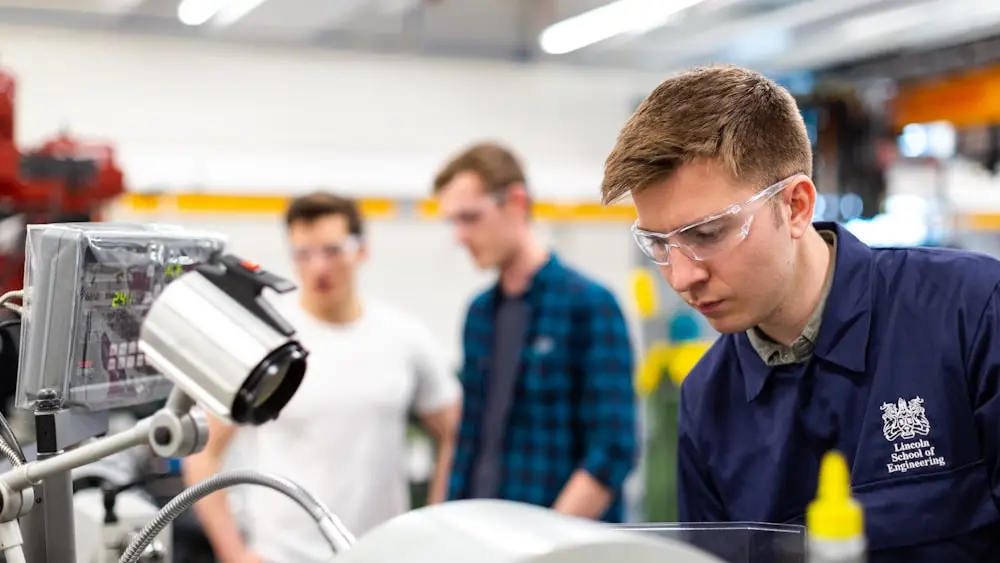
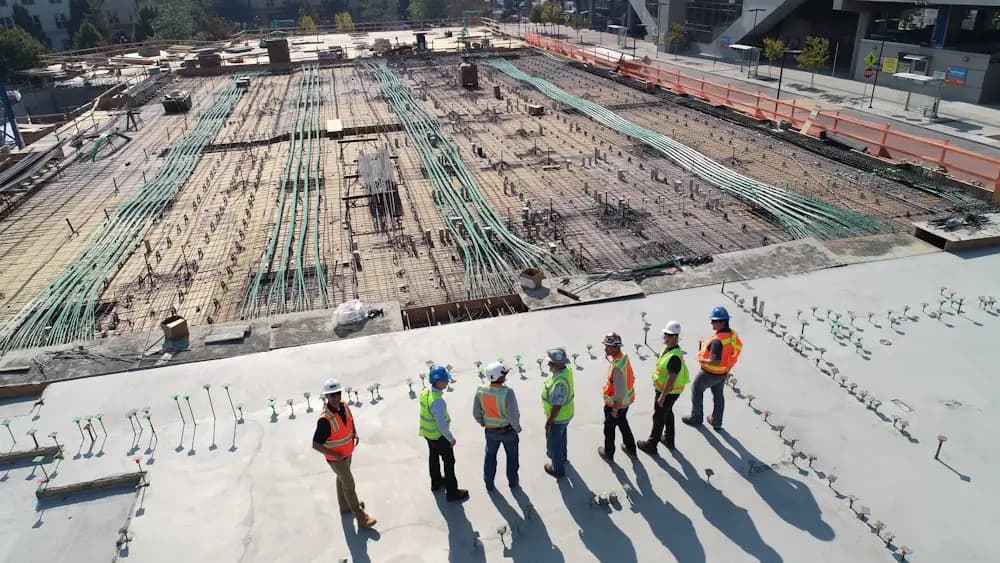
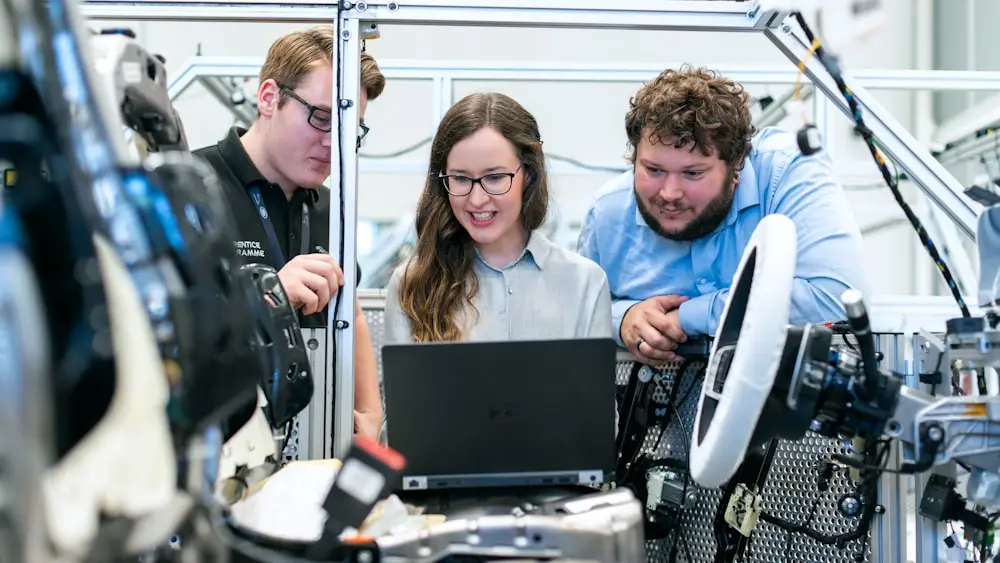
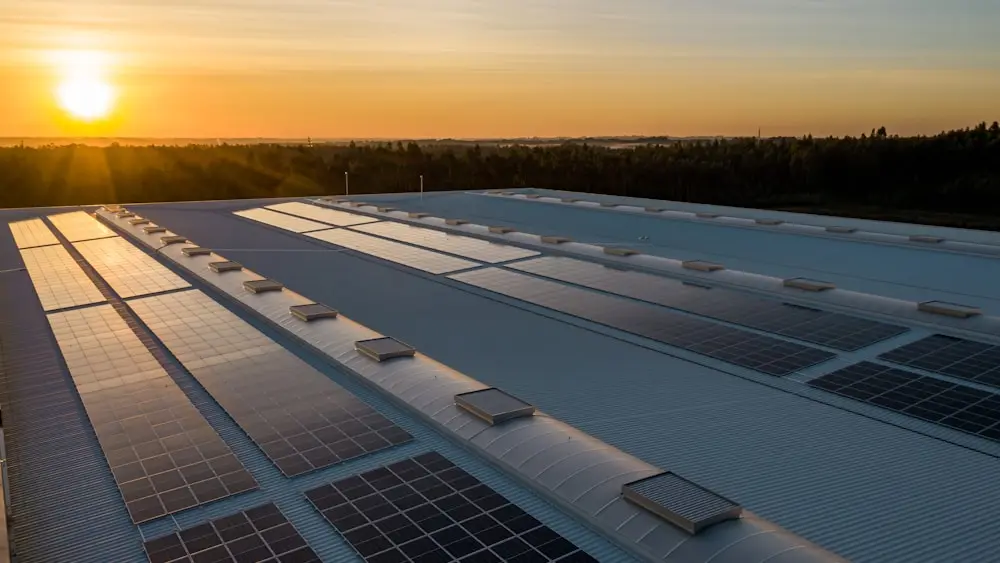
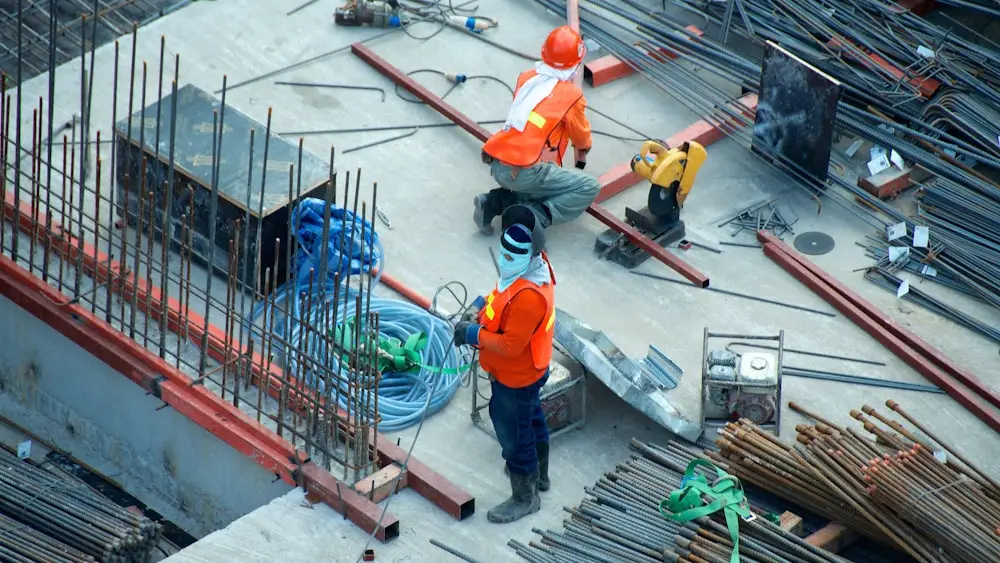
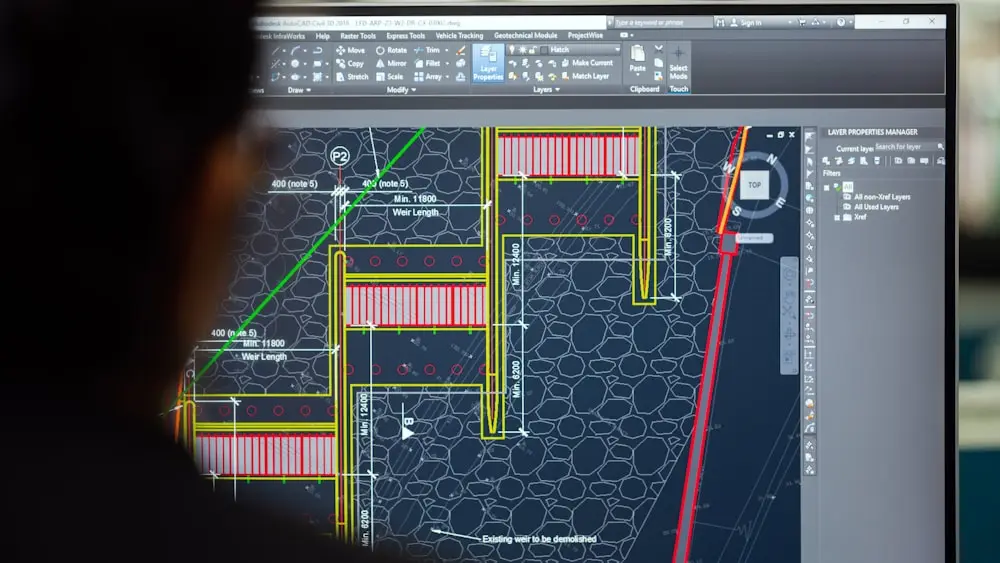
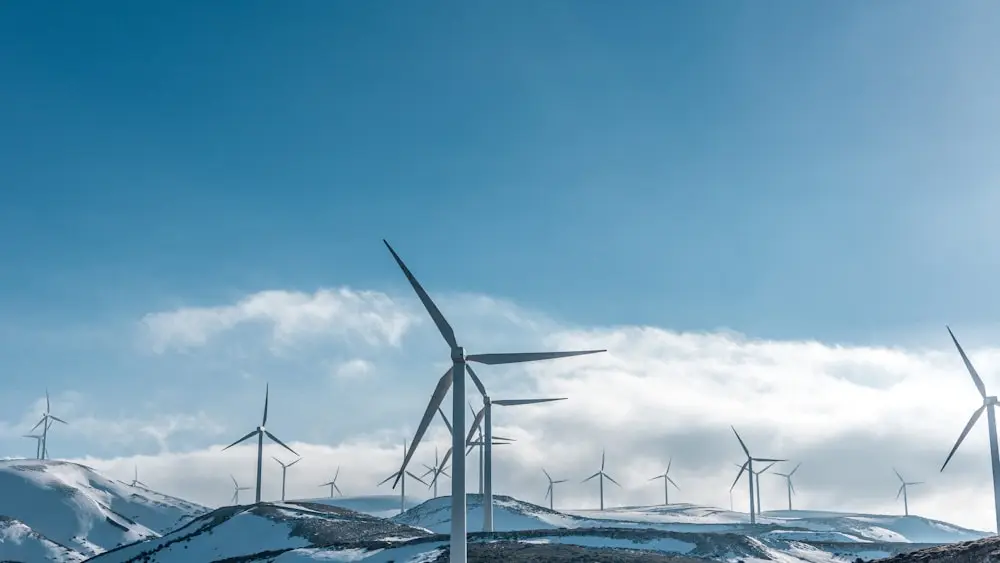
Not a campus, not a classroom, not a stock photo of a handshake. Six sectors, twelve real working environments — and a domain track written for each one of them.
Scroll on. Every frame is somewhere one of our disciplines places.



Your sector
Each domain track is specified from what the sector actually screens for. Tell us where you are aiming and we will tell you what it takes.