Industries we serve
Manufacturing
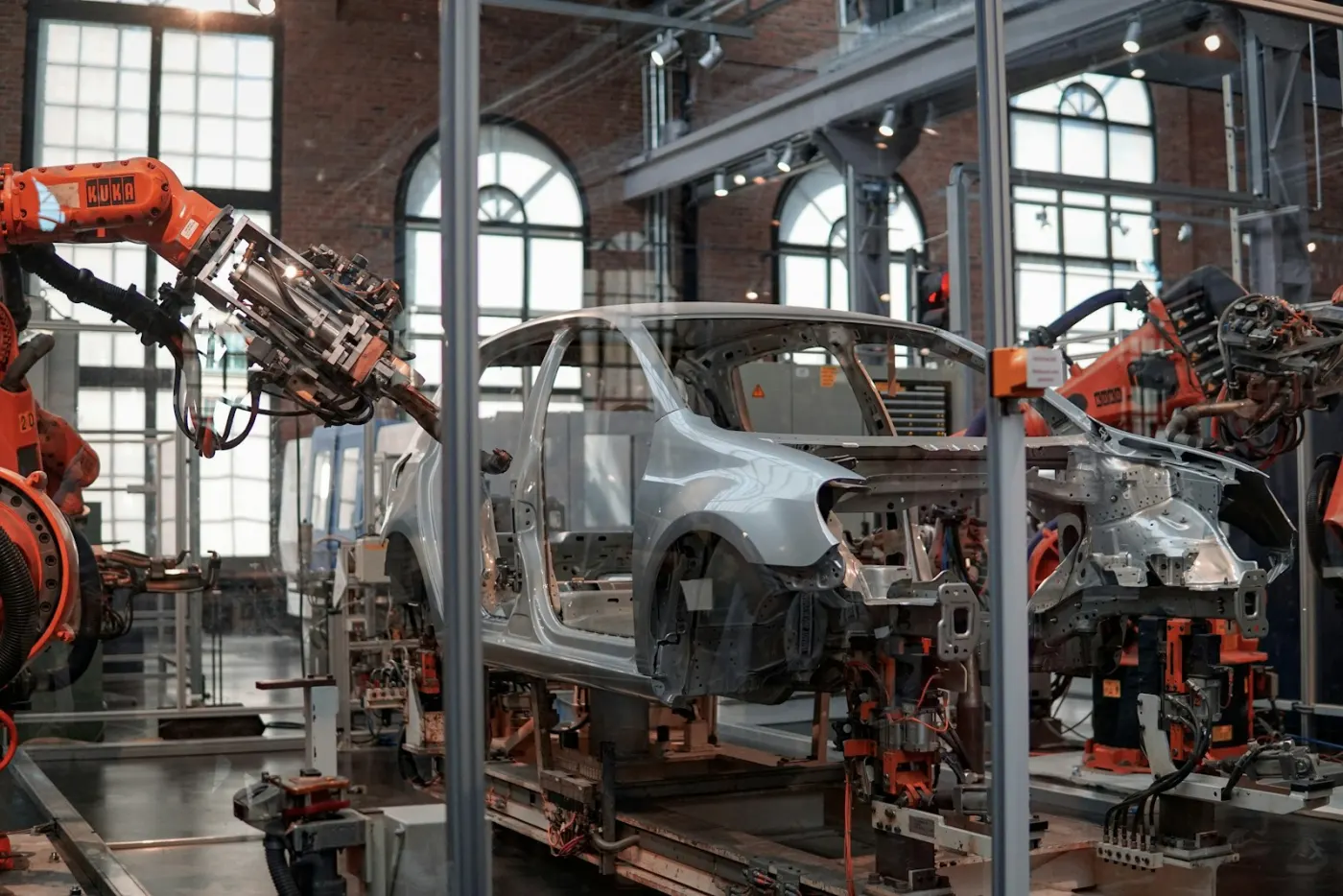
Automotive, capital goods, electronics and process manufacturing — where output is measured by the shift and every engineer is judged against a takt time.
What this sector screens for
Lean and Six Sigma vocabulary used properly rather than quoted, root-cause discipline on a line that is still running, and the maintenance and quality paperwork a plant is audited on.
Roles we prepare for
- Production engineer
- Quality engineer
- Maintenance engineer
- Industrial engineer
- Process improvement
Disciplines that place here
- Mechanical
- Electrical
- Allied Technical
At a glance
- 5
Entry roles
Titles this sector's track is written against.
- 3
Feeder disciplines
Degrees that place into this sector.
- 4
Track modules
Domain modules built for this sector alone.
- 5
Pipeline stages
Screen, Gap Identify, Develop, Certify, Place.
The hiring bar
What you are expected
to do unsupervised.
Not the job description. The four things a team quietly assumes a new graduate can already handle, and notices immediately when they cannot.
01
Find the constraint before proposing a project
Stand at the line, watch a full cycle, and name where the time is actually lost. Improvement proposals that skip this step are why most of them fail.
02
Run a root cause that survives the week
Five whys and a fishbone used to reach a fix that holds on the next shift, rather than a slide that closes the meeting.
03
Read a drawing with its tolerances
Geometric tolerancing, fits, and the difference between a part made to drawing and a part that works. That difference is measured in scrap.
04
Close the loop on paper
Work orders, downtime codes, quality rejects. A plant is audited on this record, not on the improvement anybody remembers making.
Syllabus versus shortlist
Two different
reading lists.
The degree is not wrong. It is answering a different question from the one you will be asked across the table.
- What the degree gives you: A design optimised for elegance.
- What the shortlist asks for: A part quoted, tooled and made to a cycle time somebody has already promised a customer.
- What the degree gives you: Lean and Six Sigma as a certificate on a CV.
- What the shortlist asks for: A kaizen you ran on a line that was still producing while you ran it.
- What the degree gives you: Tolerances as a number in a bracket.
- What the shortlist asks for: Tolerances as scrap, rework and a supplier claim with your name on it.
- What the degree gives you: A project with a semester to finish in.
- What the shortlist asks for: A shift target that resets in eight hours and does not care what happened yesterday.
The domain track
Written against
this sector only.
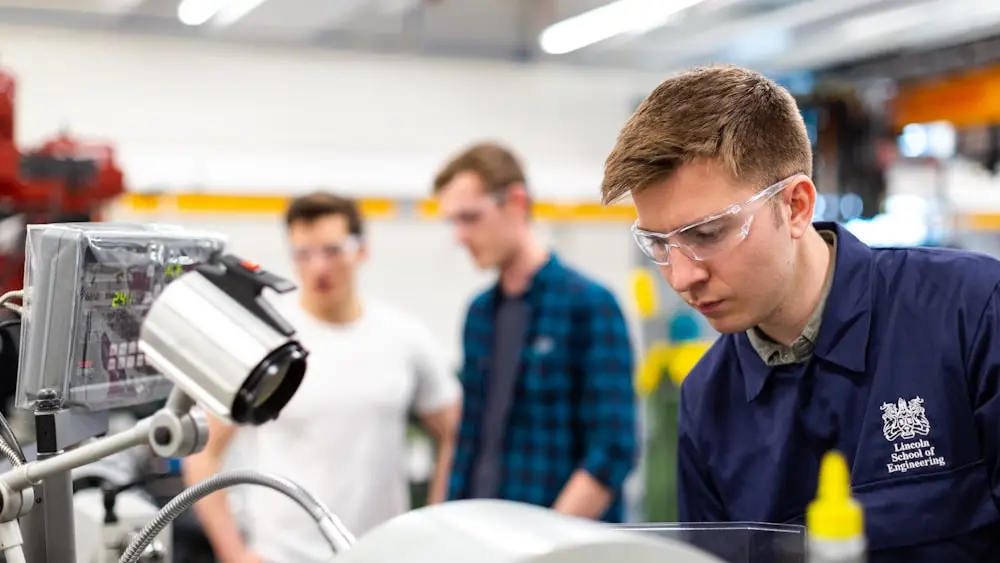
Four modules, specified by practising engineers in this sector and re-reviewed on a fixed cycle. Your gap report decides the order you meet them in.
01
Line and process fundamentals
Takt time, cycle time, OEE and bottleneck analysis — computed from a real line's data rather than defined from a glossary.
02
Quality engineering
Statistical process control, measurement system analysis, PPAP, 8D and geometric tolerancing, in the form a customer quality team uses them.
03
Maintenance and reliability
Preventive and predictive strategies, breakdown analysis, spares policy, and what a maintenance record has to prove during an audit.
04
Improvement in practice
Value stream mapping, 5S, standard work and changeover reduction, run as exercises with a before number and an after number.
The language of the room
Words you are assumed
to already have.
An interviewer will not define these before using them. The track puts you inside the vocabulary rather than handing you a glossary to memorise.
Production
- Takt time
- Cycle time
- OEE
- Bottleneck
- SMED
- Work in progress
Quality
- SPC
- Gauge R&R
- PPAP
- 8D
- GD&T
- Poka-yoke
Improvement and upkeep
- Kaizen
- Value stream map
- 5S
- TPM
- MTBF
- Standard work
Where these roles sit
Same sector,
four different rooms.
The bar is the sector's, but what each kind of employer leans on hardest is not the same. Knowing which one you are sitting in front of is half the preparation.
Automotive OEMs and tier suppliers
The most systematic hirers in the sector, and the most exacting: their quality vocabulary is a contractual obligation, not a preference.
Capital goods and heavy engineering
Low volume, high value, long lead times. Drawing literacy and supplier management matter more here than takt time does.
Electronics and assembly
High volume, tight tolerances, statistical control as a daily instrument rather than an occasional study.
Contract manufacturers and job shops
Somebody else's drawing, your process. Quoting, tooling and changeover discipline is the whole competitive position.
Sector questions
Asked before
anyone applies.
What the sector expects
Is a Six Sigma certificate enough on its own?
It gets a CV read. It does not survive the follow-up question, which is always about a specific project, a specific baseline and a specific result. The track is built to give you that answer honestly.
Mechanical or electrical — does the sector prefer one?
Neither. Production and quality routes take both, and maintenance takes both together. What separates candidates is drawing literacy and comfort on a shop floor, not the letter on the degree.
How important is shop-floor communication?
Decisive. A graduate engineer's first real task is usually to ask an operator with twenty years of experience to change how they work. That conversation is rehearsed in the professional track, not left to instinct.
How the track runs
Do the improvement exercises use real data?
Yes. Every improvement exercise starts from a line's actual downtime and reject data and ends with a number you have to defend, because a kaizen without a baseline is a story.
I want an industrial engineering role rather than production.
Flag it at the Screen stage. Industrial engineering sequences deeper into value stream mapping, line balancing and time study; production sequences into daily control and quality response. The fundamentals module is shared.
Does the track cover automation and Industry 4.0?
To the depth the sector screens for at entry level: what the data on a modern line is, where it comes from, and how to use it in an analysis. Controls engineering itself is a separate specialism.
Manufacturing
Get the gap report
for this sector.
The Screen stage measures you against what this sector actually specifies, not against a generic benchmark.