What's included
What the programme
actually gives you.
Ten components, one platform. The plan you choose sets how much of each you get — not whether you get it at all.
Where this sits
- Screen
- Gap
- Develop
- Certify
- Place
01 — Domain technical tracks
Built to the spec,
not the syllabus.
Core engineering depth rebuilt around what the industry actually specifies, not what the university happened to examine.
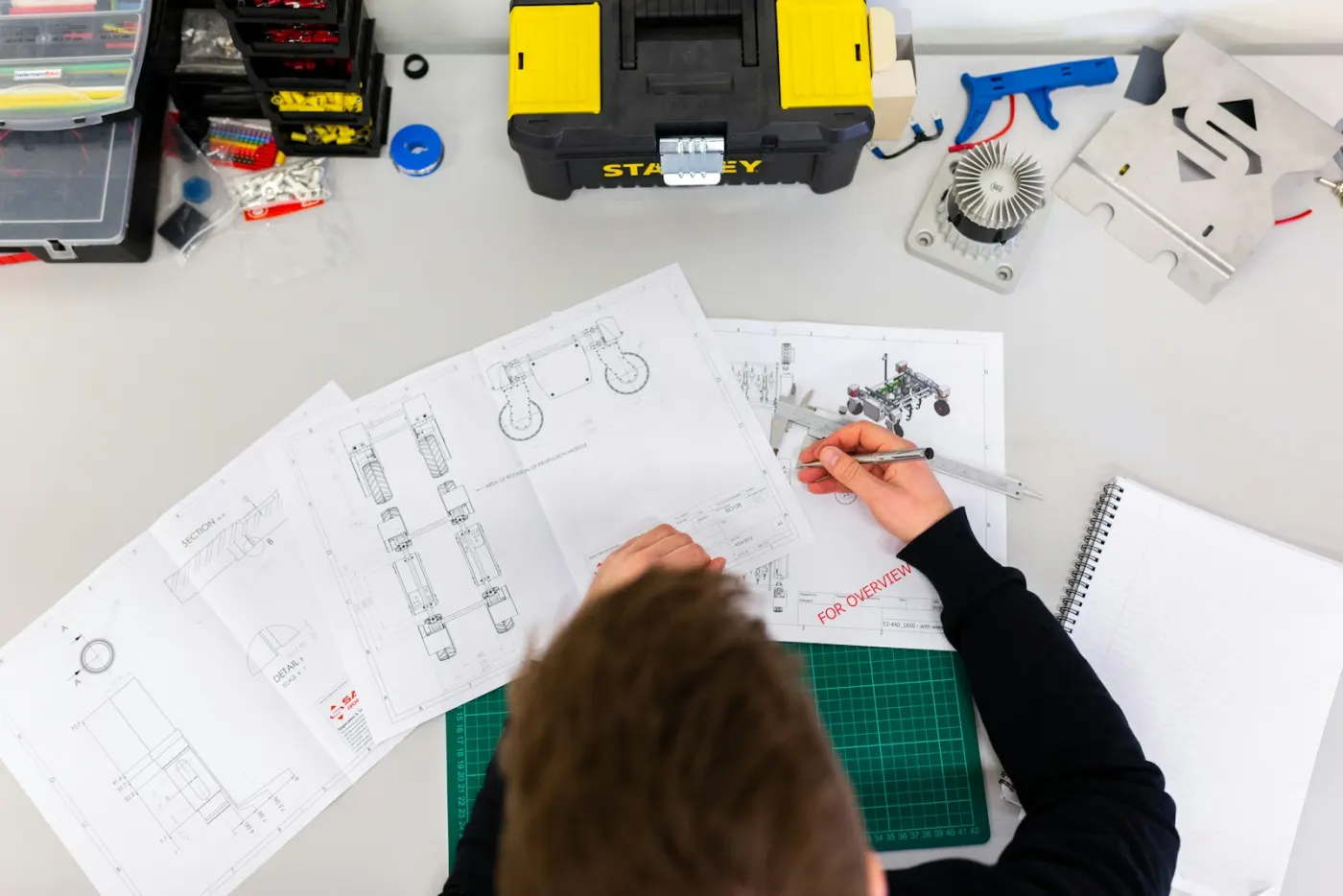
- One track per sector
- Oil & Gas and Pharmaceuticals do not screen for the same thing, so they do not share a curriculum.
- Sequenced from your gap
- Modules arrive in the order your CEP report says to close them, not in chapter order.
- Retired when it goes stale
- The owning expert re-reviews on a fixed cycle. A track nobody has revisited in two years is withdrawn.
02 — SME expert lectures
Taught by people
who still do the work.
Live sessions with practising subject matter experts who hire, brief and review work in your discipline every week.

- Currently practising
- Active in the sector now, in a role that involves specifying, reviewing or hiring.
- Live and recorded
- Attend the session or take it back later. Both carry the same questions and the same answers.
- They set the content
- Every module in a track is signed off by the expert who owns it, not by a content team.
03 — Professional communication
The half of the job
nobody examines.
The register, documentation and presentation habits that separate a competent engineer from one who gets promoted.

- Technical writing
- Reports, method statements and handover notes, marked the way they would be marked at work.
- Speaking to a room
- Presenting a result to people who will act on it, and holding it when they push back.
- Working in a team
- Escalating early, disagreeing in writing, and saying plainly what you do not yet know.
04 — Assessment & certification
A certificate that
means something.
Formal, benchmarked assessments — so the certificate means something to the person reading your CV.

- Benchmarked, not curved
- Measured against the capability the sector specifies, never against the rest of your cohort.
- Marked by practitioners
- The people who set the benchmark are the ones who decide you have met it.
- Re-sits are on the record
- You can take it again. What you scored the first time stays on your record, because that is what honest means.
05 — Interview preparation
Rehearsed until
the answers are yours.
Mock interviews recorded, reviewed and repeated until the answers are yours rather than rehearsed.

- Technical and HR
- Two different rooms with two different failure modes. Both get practised, separately.
- Recorded and reviewed
- You watch yourself answer. Most of the feedback lands before anyone says anything.
- Named, not scored
- Feedback says which answer lost the room, and what a strong version of it sounds like.
06 — Placement & benchmarking
We stay until
you are hired.
Job portals, salary benchmarking, and a coach who tells you when an offer is below your market.
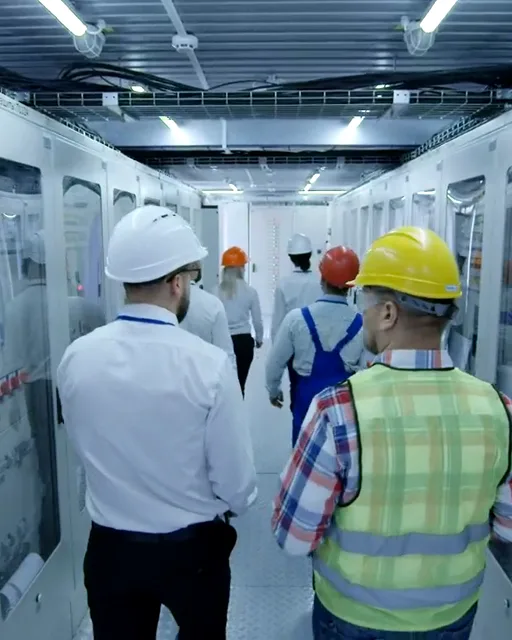
- Curated openings
- Filtered to your discipline and to the roles your CEP score says you are ready for.
- Salary intelligence
- What the role pays for your experience, in your city, before you have to name a number.
- Someone in your corner
- A coach who will tell you an offer is below market — including when it would be easier not to.
The whole programme, in one sentence
Technical modules  specified from what the sector actually asks for, live sessions
  run by engineers who hire, assessments
  that mean something to whoever reads your CV, and coaching
  that runs all the way to the offer.
Six pillars is the honest breakdown. This is the version you would give someone in a lift.
How it fits together
One workspace,
one thread.
The point is not that we offer these things. It is that they share one record of you, so nothing has to be explained twice.

01
Your gap report drives the modules
The learning path is generated from measured gaps, so the modules you see are the ones your assessment said you needed.
02
Your modules drive the CV
Completed assessments and certifications populate the CV builder directly. No re-typing what the platform already knows.
03
Your CV drives the interviews
Mock interview questions are drawn from your discipline and target role, and evaluators can see what you have actually covered.
04
Everything drives the coaching
Your coach opens one screen and sees the whole picture — scores, progress, applications — rather than asking you to recap it.
All of it, one platform
Nothing here is
sold separately.
Modules, sessions, assessments, coaching and placement run through a single workspace. You enrol once and the platform carries the thread.